Common Ground, vis à vis with Maria Chiara Ziosi
‘When the Baal Schem, the founder of Hasidism, had a difficult task before him, he would go to a certain place in the woods, light a fire and meditate in prayer; and what he had set out to perform was done. When a generation later, the Maggid of Meseritz was faced with the same task, he would go to the same place in the woods, and say: “We can no longer light a fire, but we can pray.” And everything happened according to his will. When another generation had passed, Rabbi Moshe Leib of Sassov was faced with the same task, he would go to the same place in the woods, and say: “We can no longer light a fire, nor do we know the secret meditations belonging to the prayers, but we know the place in the woods, and that can be sufficient.” And sufficient it was. But when another generation had passed and Rabbi Israel of Rishin was called upon to perform the task, he sat down in his golden chair, in his castle, and said: “We cannot light the fire, we cannot speak the prayers, we do not know the place, but we can tell the story of all this.” And, once again, this was sufficient.’
Gershom Scholem, Major Trends in Jewish Mysticism
Scholem’s parable highlights the idea that even as times change and old methods become obsolete or unavailable, the essence of a tradition or belief system can be preserved and adapted to the circumstances. However, it can also be read as an analogy about the tale of a story about a story in which people originally experienced the fire, the forest, and the sonic verbalizations firsthand. The successive loss of the fire, the place, and the old formulations – the prayers – can help us rethink what we want to discuss as contemporary artists without falling into recursive patterns.
Only then the artist transforms into an eccentric narrator. Or, in the words of the french philosopher Gaston Bachelard: “With an ‘exaggerated’ image, we are sure to be in the direct line of an autonomous imagination.”
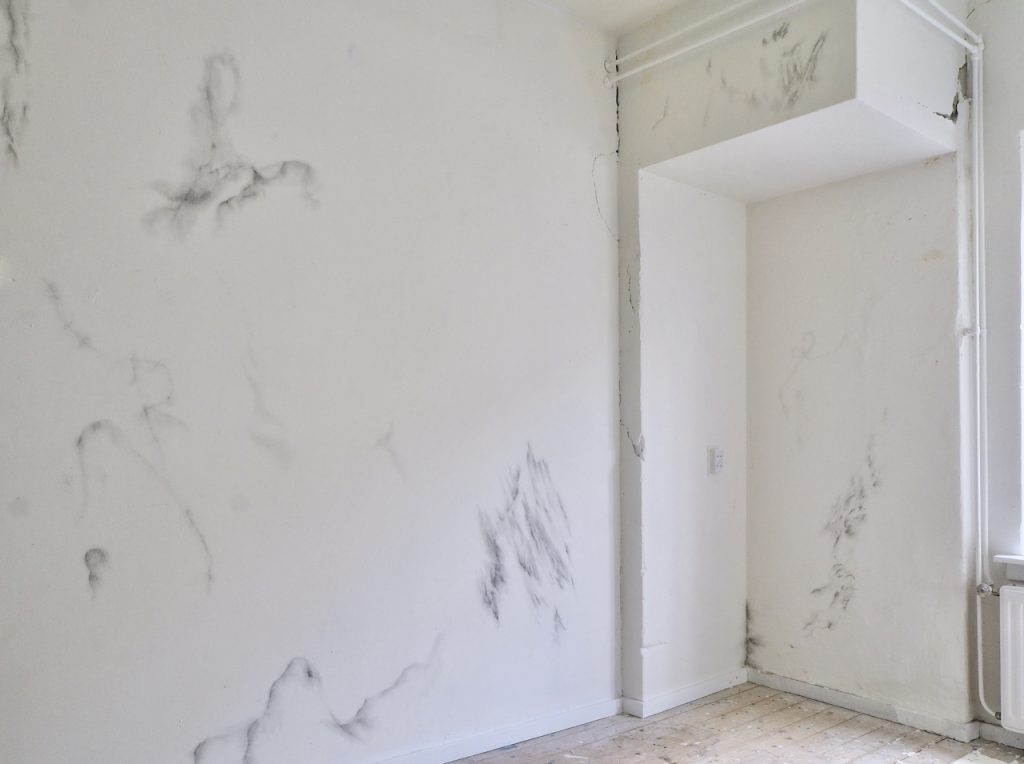
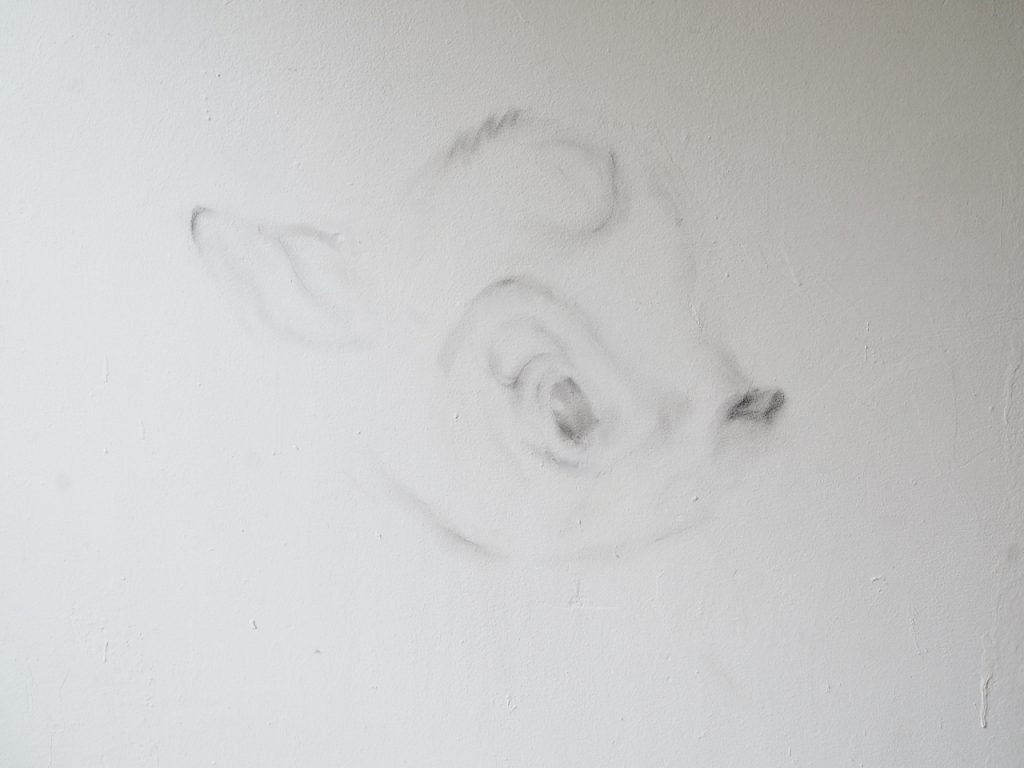
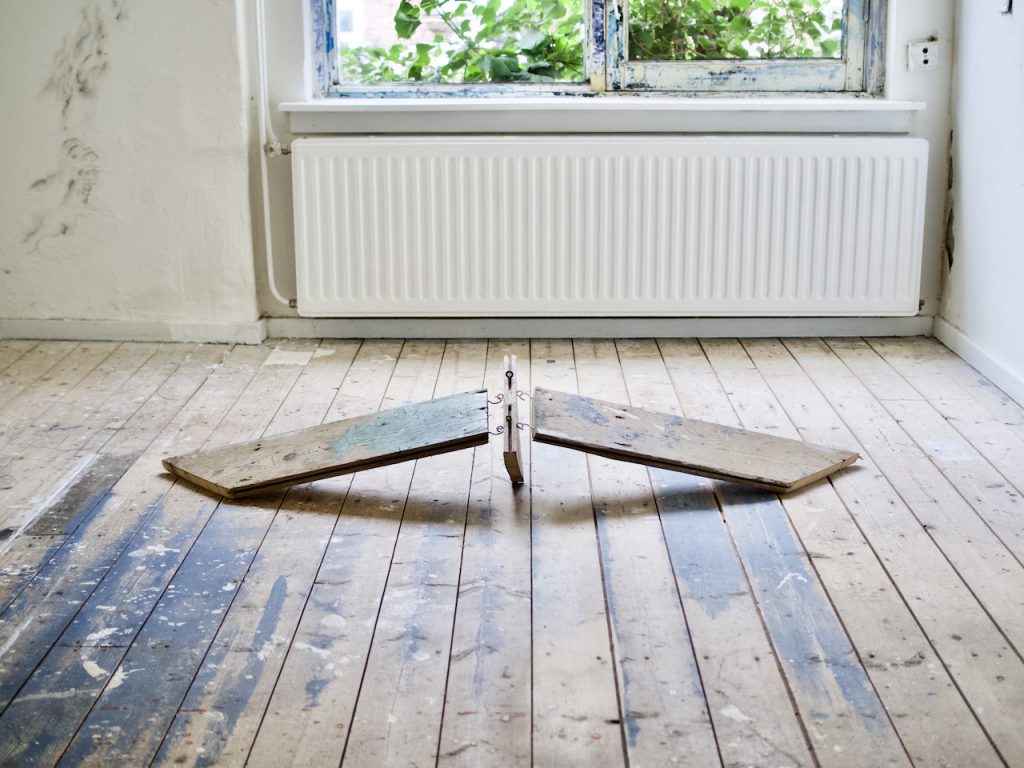
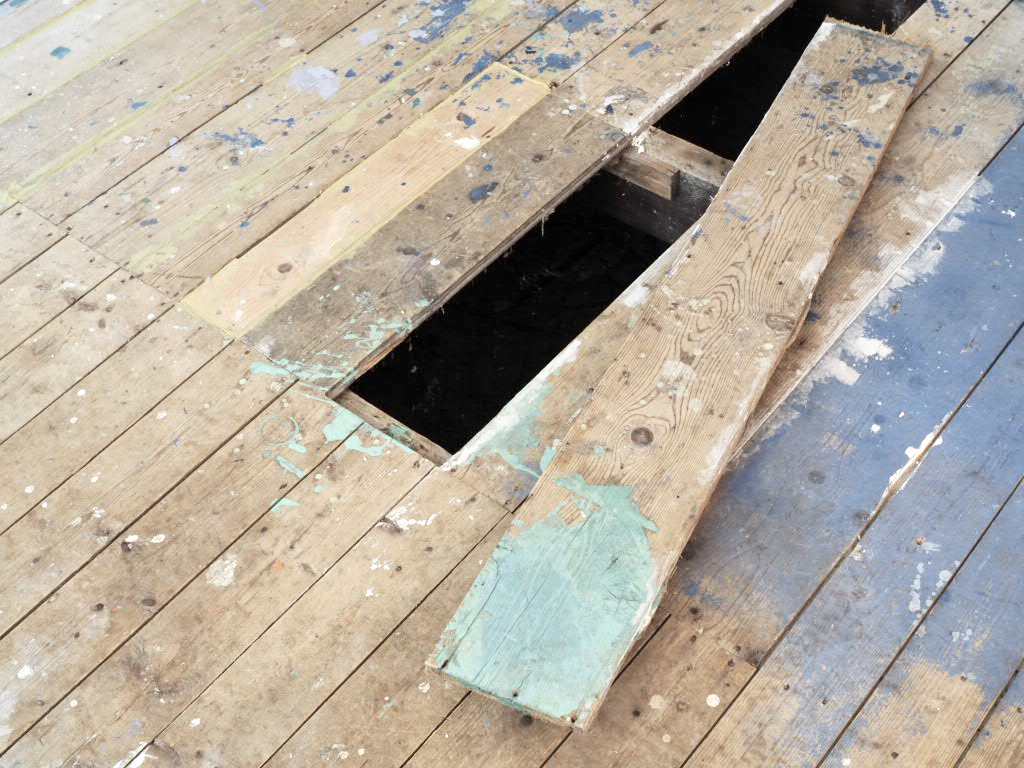
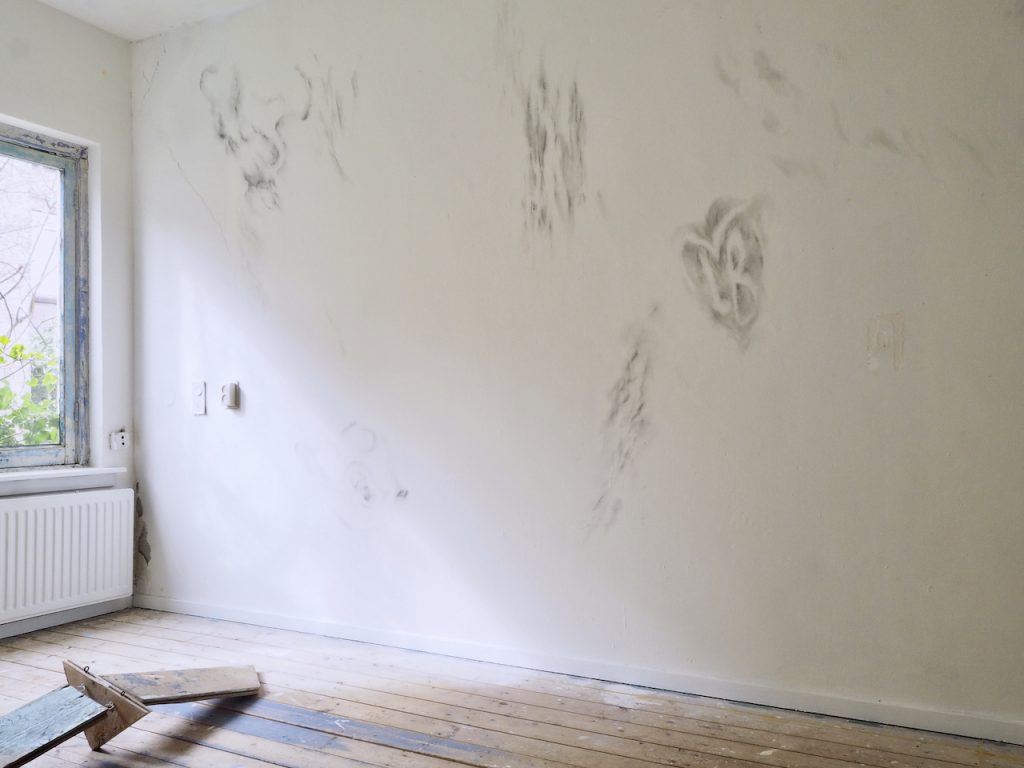
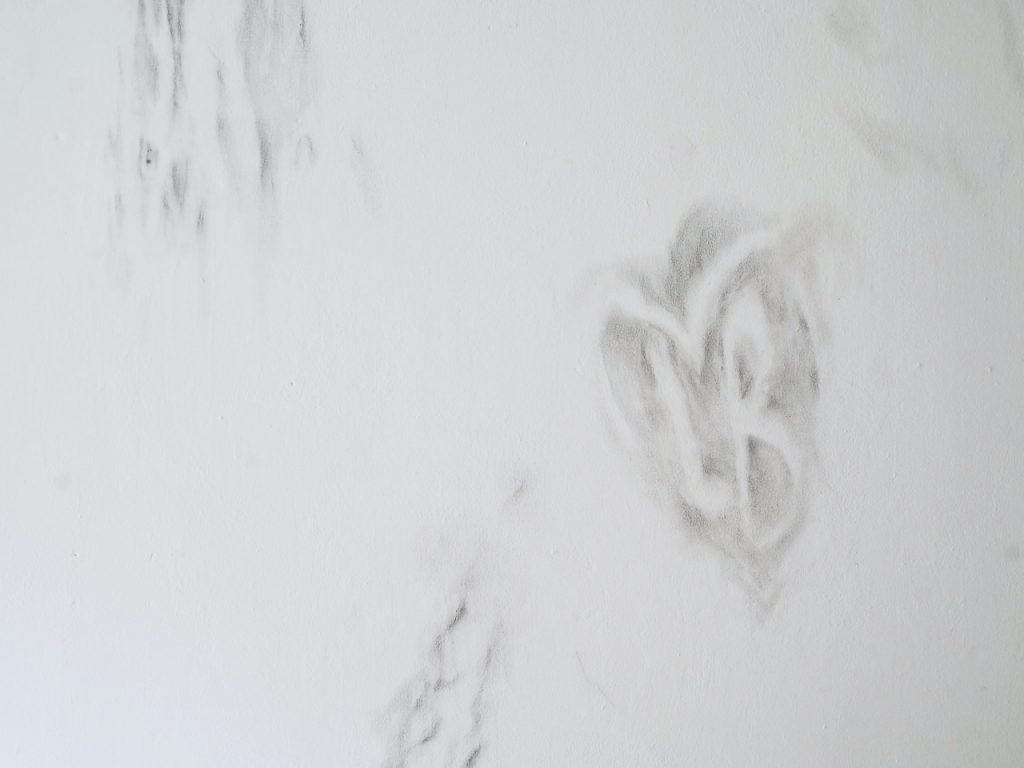
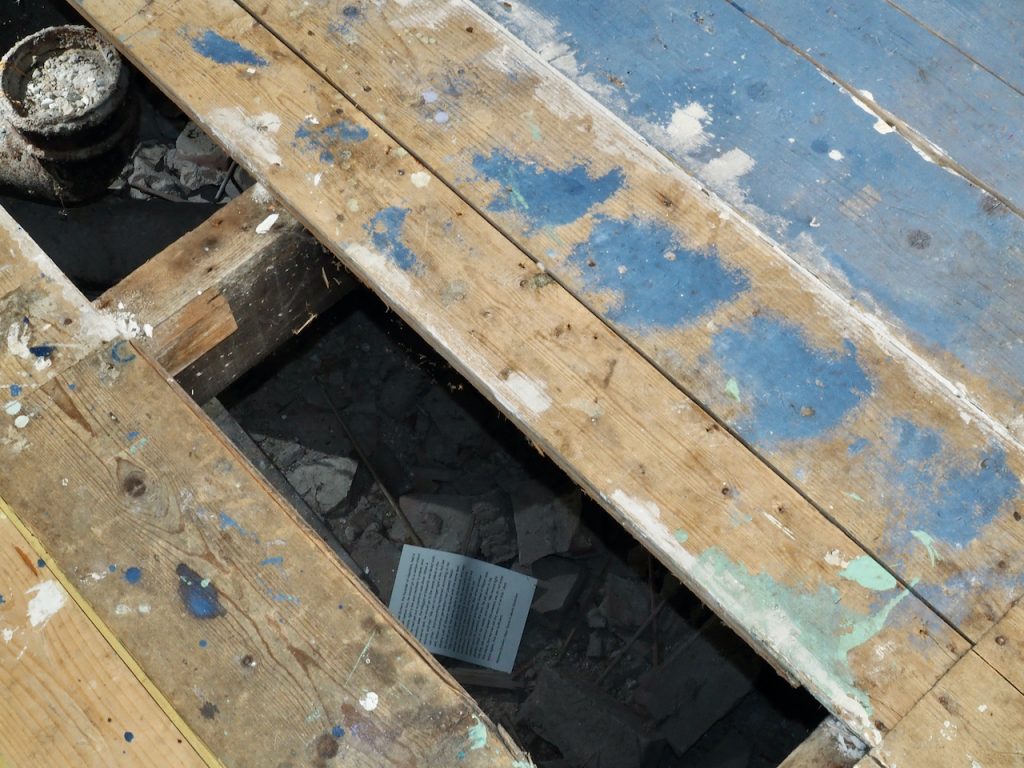
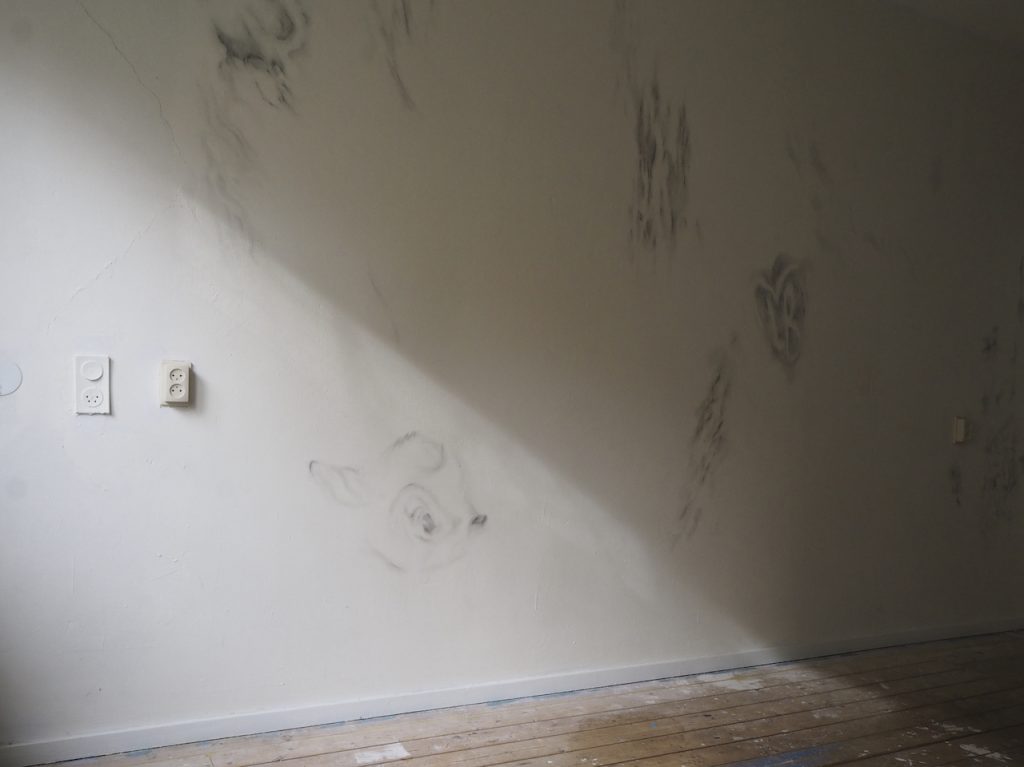
Common Ground was a site specific installation in which Marias wall-drawings and Alexanders sculpture were staying in this space until the whole building block is being demolished. That is, in the sense that Marias work was painted over and Alexanders work found its way back to its origin as integral part of the wooden floor of the Home Gallery.
Opening
Saturday 24.03.2023
from 4pm
Exhibition
24.03. – 15.04.2023